
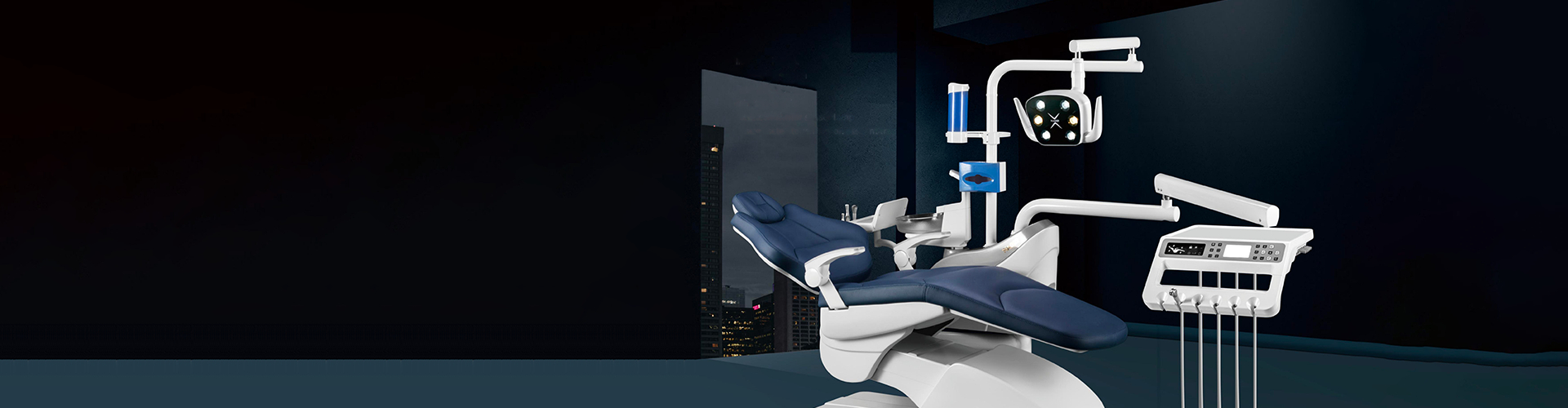
Dental Chair Buying Guide: How to Choose the Right Dentist Chair for Your Practice
TL;DR: When buying a dental chair, evaluate four critical factors: patient positioning capabilities (electric vs hydraulic), integrated features (dental unit compatibility), manufacturer certification (CE, ISO 13485), and total cost of ownership including installation and maintenance. Choose between standalone chairs ($2,000-$5,000) or complete treatment units ($8,000-$25,000) based on your practice needs.
Selecting the right dentist chair is one of the most significant investments you'll make for your dental practice. The wrong choice can lead to patient discomfort, workflow inefficiencies, and costly maintenance issues. With dental chair technology advancing rapidly and manufacturers offering hundreds of configurations, making an informed decision requires understanding the core differences between chair types, essential features, and manufacturer credentials. Before diving into the buying process, it's essential to understand what is a dental chair and its core components to make an informed decision.
This guide walks you through the critical evaluation criteria that separate quality dental chairs from substandard equipment, helping you select a chair that enhances patient care and supports your clinical team for years to come.
Understanding Dental Chair Types: Standalone vs Complete Units
The first decision you'll face is choosing between a standalone dental chair and a complete dental unit. This choice fundamentally shapes your treatment workflow and budget allocation.
| Feature | Standalone Dental Chair | Complete Dental Unit |
|---|---|---|
| Components | Chair with positioning system only | Chair + delivery system + assistant instrumentation + suction |
| Price Range | $2,000 - $5,000 | $8,000 - $25,000+ |
| Installation | Simple, minimal plumbing | Complex, requires full utilities |
| Best For | Mobile clinics, consultation rooms, specialty practices | General dentistry, multi-procedure practices |
| Upgrade Path | Can add components later | All-in-one solution |
| Space Required | Minimal footprint | Requires dedicated operatory space |
Standalone dental chairs provide basic patient positioning without integrated delivery systems. They're ideal for oral surgery centers focusing solely on surgical procedures, orthodontic practices that primarily need patient positioning for examinations, or dental schools setting up training labs with modular equipment.
Complete dental units integrate the chair with delivery systems, handpiece connections, assistant's instrumentation, suction systems, and often cuspidor bowls. These comprehensive systems streamline workflow by positioning all clinical tools within ergonomic reach. For general dentistry practices performing restorative work, endodontics, or multiple procedure types daily, complete units maximize efficiency.
Understanding the differences between dental chairs and dental units is crucial before evaluating specific models. If you're opening a new practice or replacing equipment in an established operatory, complete units typically offer better long-term value despite higher upfront costs.
Essential Features to Evaluate in Modern Dental Chairs
Modern dental chairs incorporate sophisticated features that directly impact clinical outcomes and operational efficiency. Prioritize these critical specifications when comparing models:
Patient Positioning Systems
- Electric motors: Provide smooth, programmable positioning with memory settings for common procedures. Electric systems allow precise adjustments via foot controls or touchpads, improving ergonomics for practitioners. They're quieter and require less maintenance than hydraulic systems.
- Hydraulic mechanisms: Use fluid pressure for chair movement. While more affordable upfront, hydraulic systems offer fewer programmable positions and can develop leaks over time. They're suitable for budget-conscious practices with straightforward clinical needs.
Upholstery and Infection Control
- Seamless upholstery: Eliminates stitching where bacteria can accumulate, critical for infection prevention protocols.
- Material choices: Medical-grade vinyl offers durability and easy disinfection. Premium leather provides patient comfort but requires more careful cleaning protocols.
- Removable headrests and armrests: Facilitate thorough cleaning between patients and allow autoclaving of high-contact components.
Programmable Memory Settings
Quality chairs offer 3-5 programmable positions that recall specific angles for procedures like crown preparation, endodontic access, or pediatric examinations. This feature saves time during patient turnover and reduces strain from manual adjustments.
Weight Capacity and Ergonomics
Standard chairs accommodate 135-180 kg (300-400 lbs), but practices serving diverse patient populations should specify higher capacities. Thin profile backrests allow practitioners closer patient access, reducing shoulder and back strain during precision work.
Digital Integration
Modern dental chair equipment increasingly integrates with practice management software, intraoral cameras, and imaging systems. Look for chairs with built-in USB ports, monitor arms, and cable management systems that support your digital workflow.
How to Select a Reliable Dental Chair Manufacturer
The manufacturer you choose determines not just initial equipment quality, but long-term reliability, parts availability, and service support. Apply rigorous evaluation criteria before committing to a supplier.
Certification and Regulatory Compliance forms the foundation of manufacturer credibility. CE marking indicates compliance with European safety standards, mandatory for equipment sold in European markets. ISO 13485 certification demonstrates quality management systems specific to medical device manufacturing—this certification requires documented processes for design control, risk management, and post-market surveillance. For practices in the United States, verify FDA registration and 510(k) clearance for dental chairs classified as Class II medical devices.
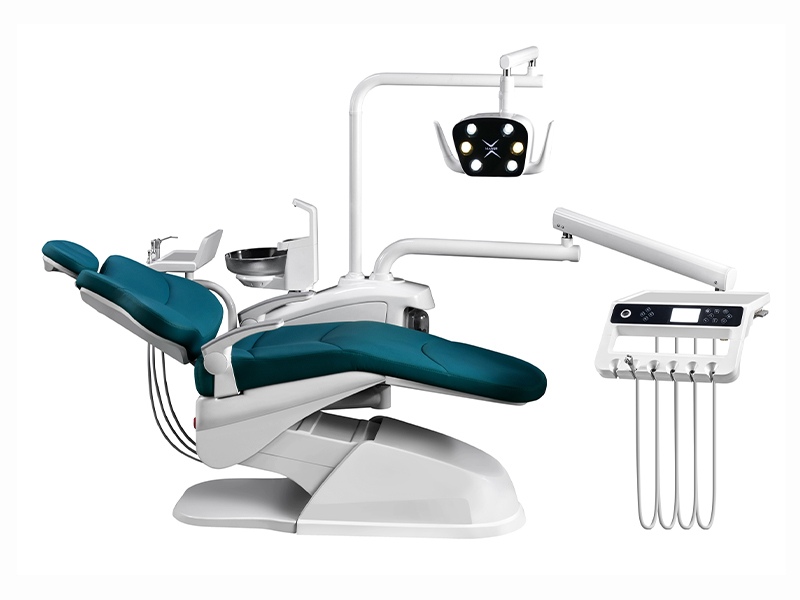
Geographic Manufacturing Considerations significantly impact total cost and support quality. China-based manufacturers like Hager Dental leverage advanced manufacturing infrastructure in regions like Foshan, producing quality equipment at 40-60% lower costs than European alternatives. After 20 years of engineering refinement, leading Chinese dental chair manufacturers now match or exceed quality standards of traditional suppliers while offering superior price-performance ratios.
European manufacturers typically charge premium prices justified by established brand recognition and extensive distributor networks. American manufacturers occupy a middle ground, offering domestic support but at higher price points than Asian alternatives.
Evaluating Manufacturer Credentials requires examining production capacity (annual unit output indicates scale and stability), R&D investment (look for manufacturers with in-house engineering teams and patents), and client portfolio (established manufacturers supply university teaching hospitals and large dental groups). Request facility certifications, client references from practices similar to yours, and documentation of quality control processes.
After-Sales Support Infrastructure often matters more than initial equipment quality. Verify the manufacturer maintains spare parts inventory with guaranteed availability for 10+ years. Confirm technical support availability in your timezone with response time commitments. For international purchases, clarify whether warranty service requires shipping equipment back to origin or if local authorized service centers exist.
OEM and Customization Capabilities become relevant for practices with specific requirements. Manufacturers offering OEM services can customize upholstery colors, integrate proprietary delivery systems, or modify chair dimensions for specialty applications like pediatric dentistry or bariatric patient care.
Dental Chair Pricing: What to Expect and How to Budget
Understanding the total cost of dental chair ownership prevents budget surprises and enables accurate ROI calculations.
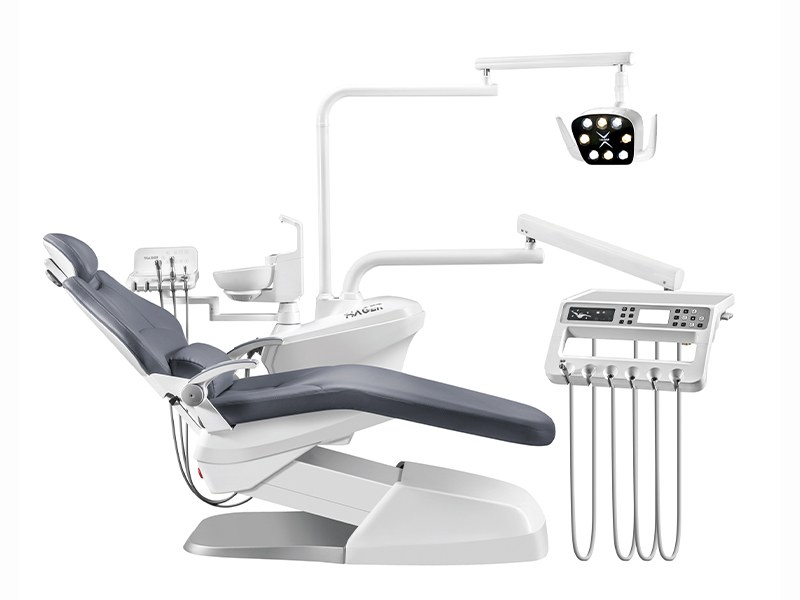
Price Ranges by Configuration:
- Basic standalone chairs ($2,000-$5,000): Manual or simple electric positioning, standard upholstery, minimal programmability. Suitable for consultation rooms or specialty practices with limited positioning needs.
- Mid-range complete units ($8,000-$15,000): Electric positioning with memory settings, integrated delivery system, assistant instrumentation, quality upholstery. The sweet spot for most general practices balancing features and cost.
- Premium treatment systems ($15,000-$25,000+): Advanced motor systems, touchscreen controls, integrated imaging compatibility, premium materials, extended warranties. Justified for high-volume practices or specialty applications requiring maximum patient comfort and clinical precision.
Hidden Costs to Include in Your Budget:
- Shipping and customs: International purchases add 8-15% for freight, customs duties, and import documentation
- Installation: Professional installation costs $500-$2,000 depending on complexity and local labor rates
- Training: Manufacturer training for clinical and support staff (often included but verify)
- Maintenance contracts: Annual service agreements cost $300-$800 but prevent catastrophic repair costs
- Facility modifications: Electrical upgrades, plumbing connections, or operatory remodeling to accommodate new equipment
ROI Calculation Considerations:
Calculate payback periods by quantifying efficiency gains. A chair with programmable positions saving 2 minutes per patient yields 40 minutes daily in a 20-patient practice—equivalent to 2-3 additional appointment slots weekly. Ergonomic improvements reducing practitioner fatigue extend career longevity and reduce sick days. Patient comfort features supporting longer appointments enable complex procedures previously referred out.
Financing and Volume Discounts:
Most manufacturers and distributors offer equipment financing with 3-5 year terms at competitive rates. Practices opening multiple operatories simultaneously negotiate 10-20% volume discounts. Consider timing purchases during manufacturer fiscal year-ends (often December or June) when sales teams offer additional incentives to meet quotas.
Pre-Purchase Checklist: Questions to Ask Before Buying
Use this systematic checklist to evaluate dental chair suppliers and avoid costly oversights:
- Compatibility Verification
- What are exact power requirements (voltage, amperage, phase)?
- Does the chair fit my operatory dimensions (provide floor-to-ceiling measurements)?
- Is the delivery system compatible with my existing compressor and vacuum?
- Can the chair integrate with my current intraoral camera and imaging systems?
- Installation and Training Support
- What is the guaranteed installation timeline after order placement?
- Is installation included or quoted separately?
- How many hours of clinical staff training are provided?
- Are training materials available in my staff's primary language?
- Regulatory Compliance Documentation
- Can you provide copies of CE certificates, ISO 13485 documentation, and FDA registrations?
- Do you maintain technical files demonstrating compliance with regional regulations?
- Are user manuals and service documentation available in English?
- Warranty and Service Terms
- What is the warranty period for mechanical components, upholstery, and electrical systems?
- What failures or damage void the warranty?
- Where is the nearest authorized service center?
- What is guaranteed response time for warranty claims?
- Are extended warranty options available?
- Parts and Ongoing Support
- How long do you guarantee spare parts availability?
- What is typical lead time for common replacement parts?
- Do you stock parts locally or ship from manufacturing origin?
- Can I purchase a recommended spare parts kit for in-house minor repairs?
- Trial and Reference Verification
- Can you arrange a demo unit trial in my practice for 30-60 days?
- Will you provide contact information for 3 customers who purchased similar configurations?
- Can I visit a nearby practice using your equipment?
Implementing this checklist systematically ensures you select dental chairs that deliver reliable performance, protect your investment, and support your clinical team's evolving needs.
Conclusion
Choosing the right dentist chair requires balancing patient comfort, clinical functionality, regulatory compliance, and total cost of ownership. Prioritize chairs from certified manufacturers offering robust after-sales support, and ensure specifications align with your practice's specific clinical workflows.
For comprehensive guidance on dental chair configurations and maintenance, explore our detailed types of dental chairs article covering specialized applications from pediatric to surgical settings.
Ready to evaluate specific models? Browse Hager Dental's CE-certified dental chair units engineered with 20 years of manufacturing expertise and backed by ISO 13485 quality systems.