
Dental Chairs for Sale: 2026 Pricing Guide & Where to Buy
Dental chairs for sale in 2026 range from $800 for entry-level models to $50,000+ for advanced integrated units. Mid-range ergonomic chairs cost $2,000-$10,000. Prices vary based on features, certifications (CE/FDA), and manufacturer origin. Chinese manufacturers offer competitive pricing with ISO 13485 compliance.
Finding the right dental chair for your practice requires balancing upfront costs, long-term value, and clinical requirements. The 2026 market offers unprecedented variety—from budget-friendly imported units to premium domestic brands with advanced technology. Understanding price structures, sourcing channels, and quality indicators ensures you make an investment that supports both patient comfort and practice profitability. This guide breaks down current pricing tiers, reputable suppliers, and critical buying considerations to help dental practitioners make informed purchasing decisions.
2026 Dental Chair Price Ranges by Category
Current market data reveals distinct pricing tiers based on features, certifications, and manufacturer origin.
| Category | Price Range | Key Features | Best For |
|---|---|---|---|
| Entry-Level Electric | $800 - $1,500 | Basic electric positioning, manual controls, limited memory positions | Low-volume clinics, mobile dentistry, student training facilities |
| Mid-Range Ergonomic | $2,000 - $5,000 | Programmable positions, PU leather upholstery, LED lighting, rotatable components | General dental practices, startup clinics |
| Professional-Grade | $7,000 - $15,000 | Advanced ergonomics, integrated delivery systems, touchscreen controls, synchronized compensation | Established practices, specialty procedures |
| Premium Integrated Units | $15,000 - $50,000+ | Full digital integration, patient monitoring systems, advanced imaging compatibility, premium materials | High-volume practices, surgical centers, university dental schools |
The substantial price variation reflects differences in certification costs, material quality, and technological integration. Entry-level models like standard wholesale dental units start around $1,500-$1,700 with basic features including rotatable ceramic spittoons and LED sensor lighting. Mid-range options typically cost $3,188-$4,763, offering synchronized chair compensation and memory positions. Premium European brands like KaVo command $15,000-$35,000 due to advanced engineering and comprehensive warranty coverage.
Understanding these price brackets helps dental practitioners align budget constraints with clinical requirements. For practices prioritizing patient dental chairs with specific ergonomic features, mid-range professional-grade options deliver optimal value without compromising essential functionality.
Where to Buy Dental Chairs in 2026
Multiple purchasing channels serve different practice needs, each offering distinct advantages in pricing, support, and product selection.
Direct from Manufacturers
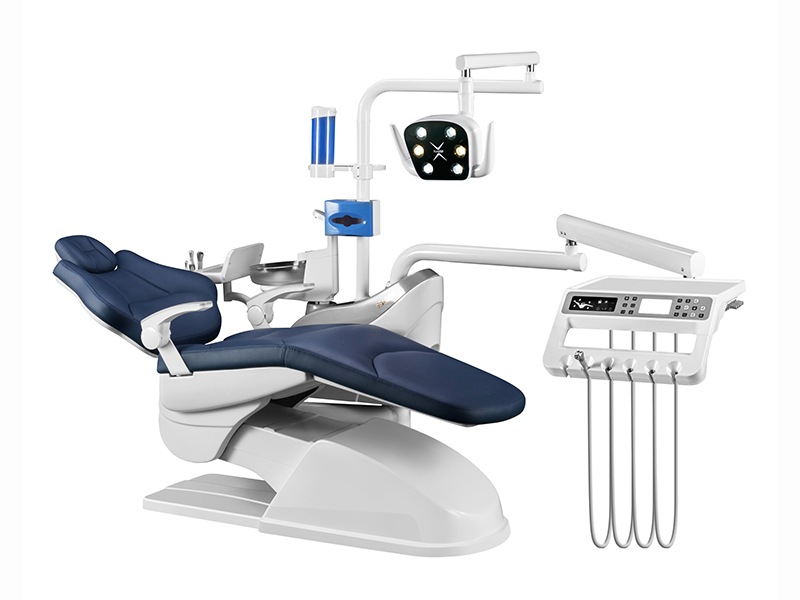
Purchasing directly from ISO 13485-certified manufacturers provides the best pricing and customization options. Chinese manufacturers with 20+ years of engineering expertise offer OEM capabilities and competitive wholesale pricing. Direct purchasing eliminates distributor markups while enabling specification customization for unique clinical workflows. Reputable dental chair manufacturers in China maintain CE certification and FDA registration, ensuring international quality standards compliance.
Authorized Distributors
National distributors like Henry Schein, Patterson Dental, and DHP Supply provide localized support with faster shipping timelines. These established suppliers offer comprehensive product portfolios, installation services, and ongoing technical support. Regional distributors maintain inventory across multiple states, reducing lead times for urgent replacements. While distributor pricing includes service premiums, the value lies in immediate local support and established service networks.
Online Dental Equipment Marketplaces
Specialized online platforms enable price comparison across multiple brands and configurations. These marketplaces provide detailed specifications, user reviews, and transparent pricing structures. Digital purchasing channels work well for practices with in-house technical capabilities who can manage installation independently.
Refurbished and Used Equipment Dealers
Budget-conscious practices can find quality refurbished chairs from reputable vendors offering warranties on restoration work. Refurbished units typically cost 40-60% less than new equipment while providing 5-8 years of additional service life when properly maintained. Critical evaluation factors include refurbishment documentation, remaining warranty coverage, and parts availability.
Trade Shows and Dental Exhibitions
Industry events provide hands-on evaluation opportunities before purchase. Dental conferences offer floor models at discounted rates and enable direct manufacturer negotiations. These venues facilitate comparative testing of ergonomic features and integrated technology systems that impact long-term clinical efficiency.
Chinese Dental Chair Manufacturers: Quality and Value
China accounts for approximately 45% of global dental chair exports, driven by competitive pricing, certification compliance, and advanced manufacturing capabilities. The perception gap between price and quality has narrowed significantly as leading Chinese manufacturers achieve ISO 13485, CE, and FDA certifications.
Quality Indicators for Chinese Manufacturers
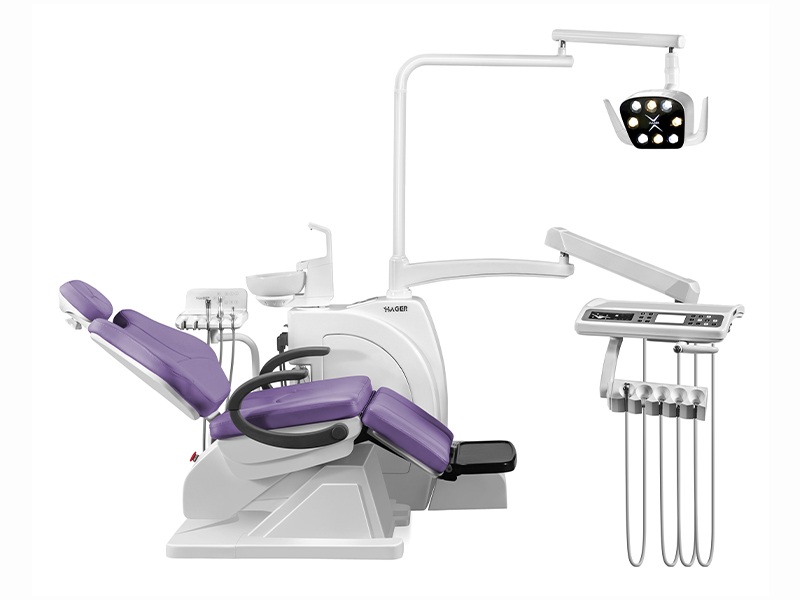
Reputable Chinese dental chair suppliers demonstrate quality through multiple verification mechanisms. ISO 13485 certification confirms adherence to medical device quality management systems, while CE marking validates European Union safety standards compliance. FDA registration (where applicable) indicates successful navigation of rigorous U.S. regulatory requirements. Manufacturers with 20+ years of engineering expertise have refined production processes, material sourcing, and quality control protocols that rival Western counterparts.
Competitive Pricing Advantages
Chinese manufacturers typically offer 30-50% cost savings compared to European or U.S. brands with comparable feature sets. A mid-range Chinese dental unit with synchronized compensation, memory positions, and premium upholstery costs $3,367-$4,763, while equivalent Western models exceed $10,000-$15,000. This price differential stems from optimized supply chains, localized component sourcing, and economies of scale in high-volume production facilities.
OEM Capabilities and Customization
Leading Chinese manufacturers provide OEM services enabling practice-specific customization without custom engineering costs. These capabilities include branded upholstery colors, modified delivery system configurations, and integrated technology specifications. For dental equipment distributors and multi-location practices, OEM partnerships ensure consistent specifications across all operatories while maintaining brand identity.
The modern dental chair China market features sophisticated manufacturers operating under the same regulatory frameworks as established Western brands. When selecting Chinese suppliers, verification of current CE certification, ISO compliance documentation, and established export track records ensures quality standards that support long-term clinical performance.
Factors That Affect Dental Chair Pricing
Seven primary variables drive dental chair pricing variations across manufacturers and models.
-
Certification and Compliance Costs: CE marking, FDA 510(k) clearance, and ISO 13485 certification require extensive testing, documentation, and ongoing quality audits that manufacturers embed into product pricing. Chairs marketed in multiple regulatory jurisdictions carry higher base costs due to multi-region certification requirements.
-
Ergonomic Features: Programmable position memory, synchronized seat-backrest compensation, and extended height range adjustment add $1,500-$3,000 to base pricing. Advanced ergonomic systems reduce clinician fatigue and improve procedural efficiency, justifying premium pricing for high-volume practices.
-
Material Quality and Durability: Medical-grade PU leather, seamless upholstery construction, and SGS-certified gas springs ensure longevity but increase manufacturing costs. Premium materials extend service life from 8-10 years (standard chairs) to 15-20 years (commercial-grade units).
-
Integrated Technology Systems: Touchscreen controls, digital patient positioning displays, and integrated imaging compatibility add $2,000-$8,000 to chair costs. Smart technology features enable workflow optimization and clinical documentation integration.
-
Delivery System Complexity: The number of integrated handpiece connections, three-way syringe configurations, and high-volume evacuation systems directly correlates with pricing. Complete treatment centers with multiple instrument positions cost $5,000-$15,000 more than basic chair-only configurations.
-
Warranty Coverage and Support: Extended warranties (7-10 years) reflect manufacturer confidence in component longevity and add 8-12% to purchase price. Comprehensive warranty coverage reduces total cost of ownership by minimizing unexpected repair expenses.
-
Manufacturing Origin and Logistics: Import tariffs, international shipping, and currency fluctuations affect final pricing for non-domestic manufacturers. Chinese manufacturers absorb some logistics costs through optimized container shipping and established export channels.
Understanding these pricing factors enables accurate comparison across different dental treatment chair configurations. Features like top innovations in dental chairs command premium pricing but deliver measurable returns through improved clinical efficiency and patient satisfaction.
Smart Buying Checklist for Dental Chairs
Strategic dental chair purchasing extends beyond initial price comparison to evaluate total cost of ownership and long-term operational impact.
Calculate Total Cost of Ownership (TCO)
TCO encompasses purchase price, installation, annual maintenance, repair probability, and operational downtime costs. Divide total projected costs (including maintenance) by expected lifespan (typically 10-15 years) to determine annual ownership cost. Budget 2-4% of purchase price annually for routine maintenance and parts replacement. Higher-quality chairs with comprehensive warranties reduce long-term TCO despite elevated initial investment.
Verify Certification and Compliance
Confirm current CE marking, ISO 13485 certification, and regional regulatory compliance before purchase. Request certification documentation copies and verify certification body legitimacy through independent databases. For U.S. installations, confirm FDA registration status for Class II medical devices. Certification verification prevents regulatory complications and ensures insurance coverage eligibility.
Assess Ergonomic Requirements
Evaluate chair height range, weight capacity (specify 25% above maximum expected patient weight), and positioning flexibility. Test synchronized seat-backrest compensation to ensure smooth position transitions without patient repositioning. Ergonomic deficiencies contribute to clinician musculoskeletal disorders and procedural inefficiency.
Evaluate Warranty Terms and Parts Availability
Scrutinize warranty duration, covered components, and service response commitments. Confirm spare parts availability with guaranteed lead times under 7-10 business days. Extended warranties (7-10 years) significantly reduce ownership risk for chairs representing major capital investments.
Test Compatibility and Integration
Verify compatibility with existing delivery systems, sterilization protocols, and clinic management software. For practices using specific handpiece brands, confirm connection compatibility to avoid costly adapters. Integration challenges create workflow disruptions that impact clinical productivity.
Request Trial Periods or Demonstrations
Negotiate in-office demonstration periods to evaluate ergonomic comfort, noise levels, and operational smoothness. Hands-on testing reveals practical considerations not apparent in specification sheets. Many manufacturers provide 30-60 day trial periods with return options for incompatible equipment.
For comprehensive guidance on technical specifications and clinical requirements, consult our comprehensive dental chair buyer's guide to evaluate practice-specific selection criteria. Understanding what defines a quality dentist chair ensures informed decisions that support long-term practice success.
Conclusion
Dental chair purchasing in 2026 requires balancing immediate budget constraints with long-term value considerations. Entry-level units starting at $800 serve basic clinical needs, while premium integrated systems exceeding $50,000 provide advanced technology for specialized practices. Chinese manufacturers with ISO 13485 certification offer competitive alternatives at 30-50% cost savings without sacrificing essential quality standards.
Successful purchasing prioritizes total cost of ownership over initial price, emphasizing certification verification, warranty coverage, and parts availability. Whether sourcing from direct manufacturers, authorized distributors, or online marketplaces, thorough evaluation of ergonomic features, regulatory compliance, and integration capabilities ensures optimal long-term performance.
For detailed technical specifications and ergonomic considerations, reference our comprehensive dental chair buyer's guide to evaluate clinic-specific requirements and make data-driven equipment investments that support practice growth and patient satisfaction.